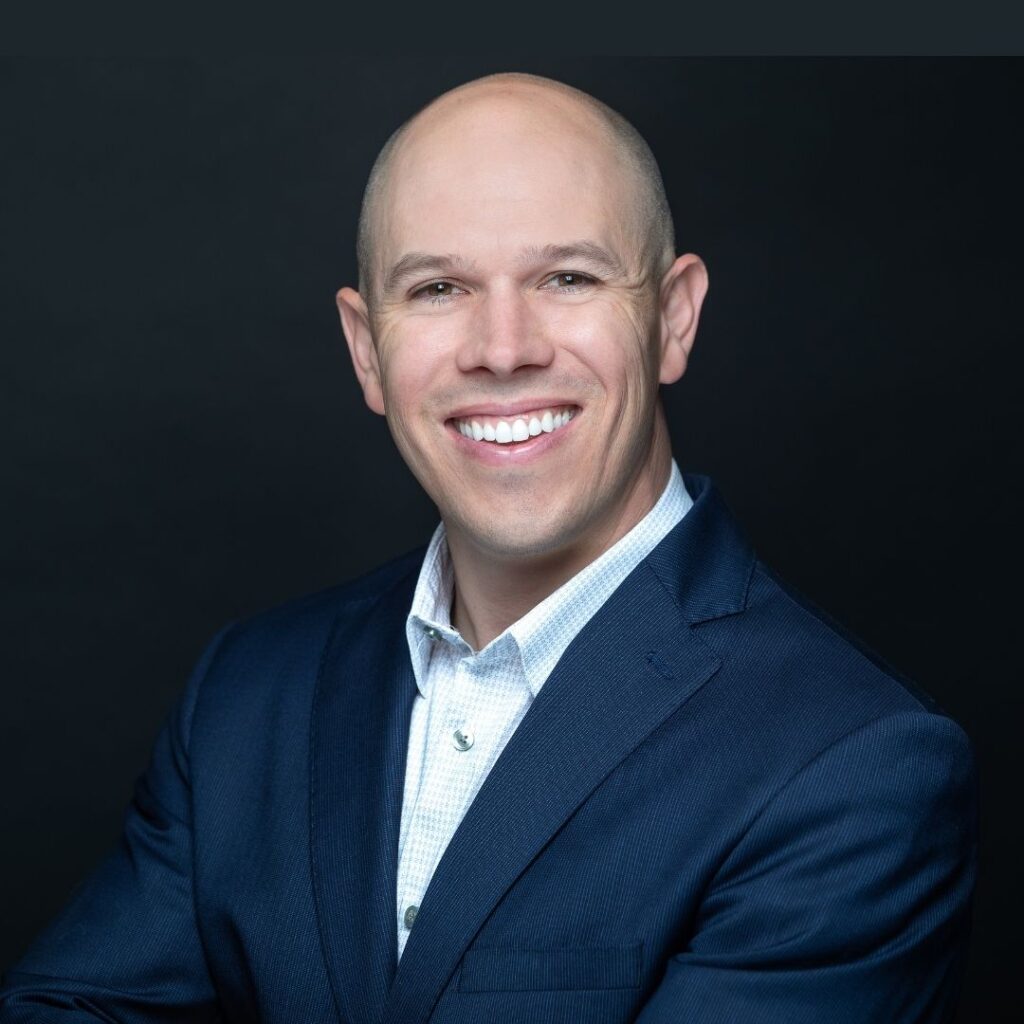

Paul Kallmes
Paul is an independent technology professional with a focus on foreign start-ups coming to the US, with a specialty in the strategic management of intellectual property. His nearly 20 years of IP and technology licensing and management have given him a broad base in the nuance and complexities of developing and deploying intangible assets to the benefit of IP owners and users alike. He has extensive experience in various industries in IP management and manufacturing. He has extensive international experience working with companies in the US, Europe and Asia on patent portfolio development, market entry strategies, product development and roll-out, and early-stage fund-raising activities. Intangible assets and intellectual property are becoming ever more important in today’s economy, and every company in a technology space needs to take their IP issues seriously or risk being left behind by their competitors. His current focus on assisting start-ups from various European and Asian countries allows him to see a wide range of opportunities that will make positive contributions to various markets in the US and around the world.
Sam Floy
After living in East Africa for 3+ years he is now based in Copenhagen where he runs a business setting up and running podcasts for companies around the world.
While in East Africa he started the The East Africa Business Podcast which is a podcast about the business environment in East Africa based around interviews with entrepreneurs, investors and organizations looking to help the region grow.
Passionate about equipping women to participate in decision making – co-founded women’s organizations.
Nichole Yembra.
Nichole is the Founder and Managing Director of The Chrysalis Co which houses The Chrysalis Capital, a new $15M Africa and Diaspora early stage tech fund and The Chrysalis Advisors, a strategy and investment advisory firm.
In addition to this work, Nichole is deeply committed to making gender diversity a priority within the financial-technology ‘fintech’ space in Nigeria and enhancing opportunities for women in leadership. She founded the Garden Women’s Network, a group dedicated to the development and retention of high-performing women in the Nigerian tech ecosystem.
Tehlma Ekiyor
Tehlma is an Impact Investor, Development Expert, Social Entrepreneur, Fundraising Expert, Senior Public Sector Project Advisor.
Implemented projects in 22 African countries
Served as Senior Consultant to the Africa Union, ECA, IGAD, ECOWAS
Co-founded SME.NG – Nigeria’s impact investment platform for women.
pioneered the establishment of national and international non-profit and philanthropic organizations
Passionate about equipping women to participate in decision making – co-founded women’s organizations.
Shawn Flynn 0:00
On this week’s episode of the Silicon Valley podcast, we look back to some of our past episodes where we focused on that niche between Africa, Silicon Valley, and tech, the people, we interviewed some amazing VCs, some amazing entrepreneurs, and leading experts in this area. Now, all this information, if it’s new to you, you’re going to learn a lot. If it’s not, you’re still going to learn. So right now, let’s start this week’s episode of the Silicon Valley podcast. Enjoy.
Announcer 0:30
Welcome to the Silicon Valley podcast with your host, Shawn Flynn, who interviews famous entrepreneurs, venture capitalists and leaders in tech, learn their secrets and see tomorrow’s world today.
Shawn Flynn 0:48
Let’s talk about that time with 22 different countries. That’s That’s amazing, especially someone here from the west, most of us, to be honest, have never visited Africa and really don’t know too much about the ecosystem there. And even the individual countries going back, you worked for the Open Society for West Africa, which is the name of the source Institute for West Africa. Can you talk about this experience?
Thelma Ekiyor 1:13
So I worked for a spin off that was established by the open society, it was called the West African Institute for civil society. And I was the first CEO. And that was a really exciting job. In that job, I was overseeing 15 countries. Basically, if you if you’re familiar with the work of the open society, this happened at a time when a lot of West African countries, were just coming out of war, protracted wars, Liberia, Sierra Leone, Guinea, Ivory Coast. And so our organization was really focused on how do we create equitable societies? How do we open up spaces for normal everyday African citizens to have their voices matter? in societies that were predominantly dictatorial? And how do you build institutions of governance, institutions of free press? I loved the job because I was often working with people at the acorn stages of communities and helping them build structures that I’m really proud of have lasted even though I’ve left that job over 10 years now.
Shawn Flynn 2:17
22 countries about Africa, how is each area kind of different? What challenges did you encounter?
Thelma Ekiyor 2:26
So I think the first thing we’re going to do after this interview is make sure you visit Africa, Shawn, I think, no matter how I describe it, I would not do justice Africa is is extremely beautiful, very, a lot of places are still unspoiled. But there’s a lot of vibrancy, then the type of development that’s happening in Africa is often from a place of survival. So the innovations that are taking place across the continent are scrappy, they’re very rugged, people have to make it and you know, when you see people come from nothing, and then build something is always not only gratifying, if it’s work I’m involved in but also inspiring for me to know that it’s only a matter of time, the continent is going to be the powerhouse that it should be.
Shawn Flynn 3:10
And then you also were a policy advisor for the UN. I worked
Thelma Ekiyor 3:15
as a strategic policy advisor for you and Nigeria. So I was teasing you before the interview saying that I’m a nerd, but it is true. I like to work with putting policies together. Because obviously, if you’re doing the work that we do, the government structures, the policy environment for implementing that work is very important. So that un brought me on in my personal capacity to help design strategic policies for Nigeria. So I designed a private sector policy for the UN for Nigeria. And that also dovetails into what I’m doing, working on how the private sector can invest in development, and help with achieving the strategic Sustainable Development Goals. And then I also design a five year policy for conflict prevention. You might wonder what’s the link, but that’s important because some parts of Nigeria are still experiencing intra country conflict. And so investment can take place, obviously, I’m really, really proud of that work as well. Because every time I see the UN doing anything in Nigeria, I think to myself, well, no one knows that I was part of putting that together. And so the work that we did is actually shaping government’s interventions, the way government interacts with the UN.
Shawn Flynn 4:26
How is that private public relationship with the UN and kind of the development startup or developing business ecosystem?
Thelma Ekiyor 4:35
That’s such an excellent question. That was the reason why I was brought on board to develop the strategic policy framework, because if you’re familiar with the history of the UN, the UN often comes into our country partners with a government mostly has its own funds, but until recently never really took advantage of the private sector in Africa to help with development. So the private sector is a major beneficiary of peaceful communities have a conducive Environmental business, by and large, most of them were not involved in developed. So the strategies about how to connect the UN with the private sector, Nigeria has a very, very vibrant private sector community. And so how do you create partnerships to make sure companies invest in the communities, that was what policy was?
Shawn Flynn 5:19
How is the a little bit more of the interaction, because I’m guessing even in the UN, the people there probably aren’t familiar with the local ecosystem.
Thelma Ekiyor 5:28
Some of them are, so the local staff often are, but the most the way the UN works is, so the head of the UN will be from another country, and most of the senior staff, so those people have to learn about the country. And they often extremely good people, obviously, for them to commit their lives to leave their families and go to another country. And Nigeria is I mean, everyone knows is a contradiction. In many ways. It’s very, very big. Also, it has tons of natural resources, massive human capital, but it also has difficult policy structures. And so if you want to do anything in Nigeria, you’re often kind of like, driving against a very, very strong wind. And that is what most people that come in have to deal with. But over the years, it has eased up a little. And so the policy that our firm that I designed was, how do you work within the country to ensure that there’s a synergy between the private sectors, bottom line goals and development goals?
Shawn Flynn 6:26
One thing that really is interesting to me when I was doing research on Africa is the demographics the youth, it’s the youngest continent, the average age, I think, was 20,
Thelma Ekiyor 6:37
less than 30.
Shawn Flynn 6:38
How is that going to affect the economy moving forward?
Thelma Ekiyor 6:41
On one hand, it presents a huge potential for innovation. And that’s what’s happening in the tech industry is mostly young people that have driven it. But it also there are a lot of young people that don’t have jobs, who graduate from university and have to sit around and that causes apathy. So if not properly handled, it is as some of the policymakers have described it as a ticking time bomb, where you just have so many energetic young people with nothing to do. And what then happens is they tried to live the country they tried to some of them would, across Africa, you have situations of illegal migration, they get on these boats, I’m sure you’ve seen it in news. Some of them die on the way some of them try to come to the US by all means and things like that. Because there’s literally nothing to do. And I think understanding migration has often been a problem and how people look at Africa, because the countries are well functioning, if they’re available jobs, or the ability for young people to start businesses, the numbers of people who migrate illegally will reduce. So it’s a vicious cycle. And obviously, anybody just like I read about and watch on the news of people who try to come to the US or Mexico and other countries in South America, everyone essentially looks for a better life for themselves and their family. And I think that is something the population of young people is something that anyone who is interested in Africa has to design interventions to address.
Shawn Flynn 8:10
Is that a problem though, kind of maybe the best engineers, best entrepreneurs, even the country is it kind of deplete and maybe local resources, or entrepreneur talent.
Thelma Ekiyor 8:21
It is. But this new wave. I mean, it’s I always say that Mark Zuckerberg came to Nigeria, and he wasn’t invited by the government. He came to Nigeria because of these young techie guys who are just in jeans and T shirts, and putting all sorts of amazing innovations together. And he had to come and see for himself. And so I thought that was really courageous of him, because obviously, it was very new environment. But you can see that for a lot of young people who are talented, they’re just taking the bull by the horns themselves, and doing it. And oftentimes, it’s usually access to finance that keeps them away from realizing their dreams.
Shawn Flynn 8:58
Before I ask about the access to finance, you just mentioned Mark Zuckerberg visited How are the relationships right now between Silicon Valley, and Africa?
Thelma Ekiyor 9:08
I think that was really something that was an injection to the ecosystem that was very encouraging. There are relationships that have been built one on one, for example, a lot of us come over here, because we have partners here who invites us for things and all of that. But I think having VCs and tech companies not as big. I mean, Facebook is in Nigeria, Google is in Nigeria, Microsoft has always been in Nigeria. I’m not talking about those type of companies. I’m just talking about the average tech investor here being curious enough to say let me go and visit and see what’s happening. And every time because I work with some of these intrapreneurs they’ve all invested. Because one thing Nigeria has is the numbers. People have tried, people have said, well let’s start in Kenya. Let’s go to Ghana. Yet These are much more stable countries, that is true and but in very short periods, they realize that now you can make as much money as you can in Nigeria. So we always just wait for them to show up. And they always then find their way to Nigeria and set up their
Shawn Flynn 10:18
do the entrepreneurs have access to banks to VC funding.
Thelma Ekiyor 10:23
So all that is still in the embryonic phase. There are banks be huge banks, Nigerian banks all over Africa. But the average interest rate for entrepreneurs is 23%. And that is stifling. So most people just don’t bother. What then happens is a lot of entrepreneurs rely on these informal moneylenders who are really charlatans who just basically take them to the bank, and eventually they spend more than they would have ever spent going to the former banks. So that has been the environment. But over the last few years, a new trend has emerged, which I’m sure someone will do excellent research on, which is the rise of indigenous funds, VC funds, private equity funds, impact fund monies and impact fund. My firm has an impact fund and all that has introduced a new dynamic into the market where banks say, Oh, yeah, now we have competition. And if anybody that wants to work in Africa has to look at how you introduce patient capital, because you’re dealing with infrastructural issues as well, as well as the normal things that an entrepreneur will encounter. Or have to deal with a limited or no electricity in many cases where people have to work with generators. And so a business plan that doesn’t include a generator, I never get it, because obviously, that person hasn’t thought about that problem. And so that is the environment. So when you see entrepreneurs make good on their business models, and you really have to take your hat off to them because you know what they’re dealing with on a daily basis.
Shawn Flynn 12:05
So when I was doing research for this episode, today, I realized Africa 54 countries, plus or minus two, the landmass is bigger than North America, Canada, Mexico, everything combined. But most of us kind of lump it all into one category. So what is the kind of the startup ecosystem like in Africa now? And is there areas or countries that are really developing, that we should look at?
Nichole Yembra 12:29
Yeah, absolutely. So it’s a common sentiment, you were just like, Oh, I love Africa, and Africa is cool. And then there’s always just these thoughts of what what is supposed to be is it all safaris and dictators or like, what is this continent like, and it is 54 different countries that are truly truly different. Even you know, Nigeria, and Ghana, we argue with each other all the time, our next door neighbors, so when you look at it in terms of where money goes to in this tech ecosystems, it’s really four countries, Nigeria, Kenya, South Africa, and Egypt. So those four countries combined get almost 80%, or over 80% of all of the funding on the continent period, and to the now you have the other 50 countries vying for the remaining balance. And when you look at it, there’s reasons why it makes sense, right? South Africa, just being a bit more, you know, developed in terms of like foreign and European influences in South Africa. And that just kind of like history there, right. And so that’s where you look at what sa has done. When you look at Nigeria, obviously is most populous country on the continent is the fifth most populous in the world was 200 million people. And so pretty much think about what you can sell to 200 million people like that is a huge market for anything, if you make it in Nigeria, you can kind of make it anywhere, going into Kenya, it’s actually a huge bed for a lot of repatriates people that think about and like expiry pads to think about, oh, I want to build something in Africa, because there’s some policies in East Africa that are a bit more friendly, there’s an environment that is a little bit easier to do business in. And there’s also 50 million people in Kenya as well. So again, another huge population to kind of testing out with, and then when you look at Egypt, it’s kind of that link to the Middle East. So a lot of North African companies a build something in Egypt, and they have available market across North Africa and going into into the Middle East. So these are all kinds of the main four markets. But there’s been a lot of attention given to Francophone Africa lately, your Senegal cultiva, these other countries now that are saying, Hey, we would like to grow and do a bit more here. How can we take advantage of that and use technology to kind of really push us ahead, but it’s still definitely not true. Like had African in every region ecosystem. It’s really still concentrated in four countries.
Shawn Flynn 14:40
Those four countries, I mean, Nigeria, 200 million people you’d mentioned, when companies there want to expand? Do they after they expand their home country? Do they then have to go to another continent, or are they expanding to the other countries in Africa? What is it expansion look like?
Nichole Yembra 14:57
Yeah, I’ve seen kind of both cases and I am a huge fan of expanding beyond the continent, because what we’re solving for a lot of times are problems that are very similar and other frontier markets. So there’s no reason to limit that to the continent. And if you’re thinking about, so you get investor money and all of those things, you just minimize your risk, right? Like by making sure you expand across multiple regions. So we’ve seen Nigerian companies that a lot of them go to laptops, so Brazil is a market, and then also, you know, going into like Indonesia, and like stuff like that and saying, Okay, how can I do things in these other like, Asian markets, not China, but every The Chinese are the ones coming to us. But you know, all these other Asian markets are like other viable ones to kind of say, Okay, how do I test this out and expand in the Middle East as well. But what we’ve seen is most common in the past was going next to God, God is always the next easiest one. Language is the same, it’s literally across the border, very similar kind of background. And then people want to go to East Africa and go right to Kenya, Uganda, Rwanda, a lot of people live in Sub Saharan Africa, they don’t expand really into South Africa, or to North Africa, and South Africans, they definitely go to Europe. So a lot of things that work in South Africa, don’t really work elsewhere outside of Africa, because their infrastructure and their systems are just different versus SSA is sort of similar. So when you’re doing that analysis, a lot like South Africa may not be the most viable market. So you may do other countries to SSA, and then go to the last time or like Indonesia, Malaysia,
Shawn Flynn 16:27
Can you talk more about the infrastructure of these countries.
Nichole Yembra 16:31
So over, I think the number was like one in four people in the world without access to power as a Nigerian, right, which is psychotic. I think we were you know, we’re on the call last week, I was like, Yeah, my generator is on outside, like, I’m literally my own power generator, my own water, like dish, Ito, my old Water Company, I make my own everything, the infrastructure, so 66% of the hair in Africa doesn’t have access to grid power. Now, that means we were saying yes, I can’t just move into an apartment and then turn on the lights, where can I pay my bill, but there’s so much opportunity on the other side of that, too, right? Like we have the world’s largest surface for solar. And but so you have what is this, you can go ahead and cultivate that. Like if it’s cultivated properly, it can power huge parts of the world, not just the continent, we have huge availability for like for Hydro and all kinds of other things, other power sources, renewable energy sources, but it requires a ton of money that has not been invested. So far, you know, even just a Nigerian grid infrastructure requires billions of dollars, I think number is closer to 20 billion just even stabilize the current infrastructure. Before we were talking about like increasing access of that across the continent, versus places like Ghana has stable electricity now, but it’s tiny, it’s a fraction of Nigeria is other great countries like Rwanda, etc. But again, Rwanda as an entire country is like half of Lagos, which is one city in Nigeria. So you now started looking at those infrastructure challenges. So yes, it just even just from the basic there, and more naval environment is in East Africa, or isn’t South Africa, hence why those were easier places to kind of start companies and businesses. But we also said, If you make it in Nigeria, which has all these challenges, you would literally be able to dominate elsewhere.
Shawn Flynn 18:11
Can you talk about some more of these challenges that entrepreneurs might face in Nigeria or other parts of Africa?
Nichole Yembra 18:17
Yeah, so a huge one is, you know, regulation. I’m always on my little campaign or slash crusade against the government saying that I actually just need three things from you. And the identification, I need infrastructure, and I need regulation. So from identification perspective, here, we don’t think anything of being born and having a social security number that literally is with us, or our entire existence, there is no like sole form of national ID across Nigeria, and across a lot of different African countries. There have been initiatives to go and like try to identify everybody, but literally like at birth, especially in rural places. No one’s giving children IDs. So this 200 million number is our people that are studying it. Here. They’re going around counting, but do we actually know? 100%? No, we don’t. Because there is no national form of ID, the closest thing we’ve been able to see has been like a bank verification number, for example. But that leaves only the 50% of the country that’s bank. Again, another assumption based on based on these numbers, you don’t really have viable data, now go into infrastructure, again, who talks about power and water. And we’re all of that just means even roads, talk about access to markets, our levels, Nigerian government decided it was wise to close the ports, the borders, like for the last couple weeks saying, oh, people are importing too much foreign food. Well, that’s just made prices go up in the country, which is really dumb. And the ports have been backed up for several weeks. You know, I mentioned to you earlier, I was building out my new office, like our chairs and some branches stuck at the courts right now. Like we don’t even know when we’re gonna get them out. Because these are just major issues like here, you can ship receive things without blinking an eye for danger. And a lot of Africans like our mailing system is who’s going to Nigeria on this day, right? And you’re sending packages to them and arranging delivery. So infrastructure is a huge, huge Think about how, as a business person, how do you get your products to market? How do you get your products of the country if you don’t have infrastructure that’s reliable. And then the last one talked about is regulation. So a lot of our policies are extremely out of date. And then others are not made with really sound data. So for FinTech, FinTech, which has received the largest amount of funding on the continent over the last four years, but the regulation guiding a lot of fintechs is the same regulation that was driving financial institutions. So literally, they’re saying, Oh, you need to hold deposits at the Central Bank of $10 million. And you’re like, I’m a FinTech, like, Where did I even get $10 million just to store at the central bank to be able to process but they haven’t come up with anything that’s separate for just fintechs. So all of these rules are still super archaic. And then you have to work ways around them. So let’s say it tells you get a license in Lagos State, technically that FinTech cannot open any offices in any other states, it’s digital, so they can have people download their app, all the all 30 states in Nigeria, but they can’t have physical offices because it breaks the law, which doesn’t make sense. And so we think about just that, like regulation across our different countries, great examples. If I want to send money to Kenya, Kenya shillings, I have to change my nyrA to dollars came from dollar to shilling. So these unhealthy exits are like how my currency is unstable. Like it doesn’t make transfers easy. There’s so many opportunities from that. But it’s also just kind of problems and go to identification, infrastructure and regulation.
Shawn Flynn 21:27
How is the government in Nigeria wanting to work with startups? or How are things changing to be more I want to say startup friendly, or is that not happening?
Nichole Yembra 21:38
In their mind? It’s happening. And there’s good examples in rest of Africa. But I don’t think that it’s happening fast enough, or well enough. Good examples would be, you know, pig ami in Rwanda. So he has an entire team that they call like, is called Eastern Congo Rwanda line is called the Rambo search right now by a lady named faith kaysa. She’s actually MIT grad ex Googler. And she’s super young faith is not even up to 30. Yeah. And she runs the IT company for the government. So they process their visa on arrival, they process like everything that is run, like trying to digitize as much using technology for the entire rwandese government, like running government. And she runs that. And so they’re really big on innovation, working with these companies, how do they make experts easier? How do they actually truly make all of these things better? On the other side, you know, Oh, wonderful governments, like in Nigeria, where our leaders are all like 80 something years old, and their idea technologies like, Oh, we took this, we wrote on Twitter, and like, that’s technology. And you’re like, that’s not really helpful to me that you responded to something on Twitter. And when the tech ecosystem people, they’ll say, Come, let’s have a meeting. It’s always having a meeting, I guess that’s government in general, wanting to have a lot of meetings, but then output of that is not something that’s super concrete, as far as I’m concerned. So Oh, we’re gonna launch an Innovation Fund, and they’ll put like, a million dollars. I’m like, What do you want me to do with a million dollars, give it to one company, and then say that you’ve done all kinds of things and be like, Oh, yeah, we’re gonna solve around, I’m a change in power, and this and this, and this. And we have $500,000 to do it seriously. Like, it actually doesn’t make any sense. You’re not actually putting capital behind it. But though, on the other side, which is now just even more dangerous. We’ve seen policies that are not even startup friendly at all. So for to talk about that traffic in Nigeria is hideous, right? You can literally be going a mile and be in traffic for three hours. And so I know your biggest right here, I promise you it’s nothing compared, like Nigeria, like Lagos and Nairobi are just like different different beasts. And so all of these like ride hailing bikes, like motorcycles came up. So one of them maxo mg their pioneered it, they’re one of my portfolio companies. They went and they like, talk to the government, and how do they get this thing passed. So they basically were first they’re moving like packages decided to move people to literally Uber model requested, get a motorcycle, go from place to place, we’ve entered our traffic, all of those things, made sure it was safe as they started going, and other competitors start coming in the market. And then the government starts building looks like these guys are making money, they now start arresting bunch of their drivers start extorting them for all kinds of money. And so now they go from having like, Oh, just like a normal license that was maybe like $1 a month to be like, you have to now pay 1000s of dollars to these bikes every month, just so we can increase our revenue. I was like, but they’re solving the traffic they you fail to solve because you have bad roads, and not enough of them. So now you want to now take money from them. And they also see all these fintechs making payments and stuff easier. They now increase the basically trying to like double taxation on it and say, Oh, we want these taxes. We want all these other things on online payments. But we literally are finding ways to innovate around things that you did that are archaic, but now you’re seeing as a source of revenues rather than you grow your tax base. As a new spending times as you bring more people into your tax base and bring more people into the bank population. You’re just going to keep honing down on the companies that are already there trying to do something good. taxing them to bits, which doesn’t make sense.
Shawn Flynn 25:03
you’d mentioned a company raised VC funding specifically for coming to the US to set up operations. How much funding is available for these startups? Is it mostly just VCs? Or are there a lot of individuals invested in companies? Or is it government investment where some of the money coming from just start these companies?
Paul Kallmes 25:23
Well, like here, there is a mix of funding sources. There are Angel networks, although they’re not nearly as robust as they are here. And in Europe, it hasn’t emerged. There’s not enough precedent, a bit of a catch 22. How do you demonstrate to medium or high net worth individuals that these are risks were taking until enough people have taken that risk. So the angel networks are pretty weak. In my experience, I’m sure others have other experiences that might counterman that, I think on the venture side, there are some very successful funds, knife capital is a very well known one, we work with a couple kailen ventures and IDF capital, that are run by very, very accomplished, very dynamic GPS, and they’ve got great portfolios. And we’re really pleased that they think enough of us to work with us and to provide useful guidance to their companies. We also think that we can do a lot to channel resources from here, whether virtually, or whether they come here in person, to put them in front of investors to show opportunities that are worth pursuing. I say venture is probably the most common source of money, there is government money, but like governments everywhere, it takes forever to get comes with lots of strings. Usually, there’s a timeline mismatch, a startup needs money in the next three months. And the first round of applications take three months just to get going. I think there’s like most places, governments that are really suited to the needs of startups and companies that might be in growth mode, just just a mismatch there. At the top end of the scale, private equity money has had a bit of a field day in Africa. There was a story last week about some nightmare stories, private equity firms from the west US, Europe, coming into Africa, and just taking advantage of companies they are getting them saddled with debt. And then well, good luck, not the only place that happens. And I’m no expert on the topic. I think it’s always buyer beware or seller, beware. If you get an offer, that seems too good to be true. It almost certainly is, whether you’re in South Africa, or South Carolina. And I think that’s there’s a lot of good lessons from looking at the trends in investment from different sources over the years. But it’s still early days in the African investment scene. There’s no doubt whatsoever about that.
Shawn Flynn 27:14
What about with nonprofits is that a way to get money for these companies?
Paul Kallmes 27:19
Here, of course, nonprofits are highly regulated. So it’s a different kettle of fish down there, there’s lots of aid money available. And that might be maybe indirectly convertible into some kind of play or some kind of resource base to grow a startup, there’s lots of things to help with prenatal care, and child vaccinations, basic infrastructure, light and water and things like electricity, things that haven’t really evolved the way they have here, I would guess, the nonprofit landscape, the aid, whether it’s aid from private organizations, or governments, or you know, USA ID, or the Gates Foundation, the bigger philanthropies as specialized in emerging markets, going to be a pretty broad spectrum of acts simplicity of access to that money, but I probably wouldn’t count on it again, guessing the turnaround time of application to receipt of funds is too long for most startups to tolerate.
Shawn Flynn 28:05
I would wonder what the screening process would be like as well, and nonprofits, because if it is not right, really with that regulated, I’m kind of curious how they would make their decision.
Paul Kallmes 28:15
I’ve worked with several nonprofits over the years in the emerging markets sold and ever in Africa, what we found is that promises of accountability, actual accountability, there’s often a gap between the two, they just don’t have either the maybe the habits or the infrastructure there to track the money the way it’s expected here, you know, an American nonprofit that raises money from the Gates Foundation understands the stringent rules that apply to that money, how it’s going to be used, and how it’s gonna be accounted for. That’s just harder to do remote area of a giant African country, where there’s little communication, it’s just harder, I give credit to any philanthropy that takes a risk on part of the world where they can’t expect the same type of treatment of their money, I’ll give him credit for taking a risk. That’s just the way the world works, right? Can’t have everything everywhere. If conditions in Africa were the same as they were here in the US would be much different world. Africa is up and coming. Make no mistake, there is no doubt, lots of opportunity.
Shawn Flynn 29:05
Then how does one of these startups obtain resources, the resources that they need? I mean, it sounds like it’s just kind of difficult overall.
Paul Kallmes 29:15
I would say I’ve met I’ve met people who are absolutely masters of bootstrap. And they really make the most of very little resource. So they’re good at that. And that’s, that goes a long way in any startup. You know, bootstrapping is a fundamental element of any early stage company, no matter where you are, certainly, I don’t know enough of them their their stories well enough to say that friends and family is plays a bigger part, or that maybe there are Angel networks, but they’re just not publicized, therefore we don’t know about them. And I don’t know the number. I don’t know the numbers in terms of, say, university graduates in engineering and computer science translates into X number of startups around those technology areas, as it would be around here is Stanford and Cal on all sorts of other things that crank out lots of people have access to lots of resources. Again, it’s that notion that talent doesn’t respect area codes, but opportunity does Just don’t have the opportunities there that you have here. I’d be curious to see someone’s brought that data together, I’m sure of it. So I’d be interested to see, that’s part of our learning curve, too. I mean, we’re still on a very, very steep learning curve. We’re open to anything that changes the viewpoint we have, as we know that things early in the game, we have a lot to learn. But we also know the people we’ve met. And the opportunities we’ve seen, certainly justify more of the same. We feel no, we’re not intimidated at all by the strangeness of Africa as a whole in the way businesses are run there, and the way they’re grown, as compared to what we used to hear.
Shawn Flynn 30:31
So with everything you mentioned, or something that wasn’t even mentioned, if you could change anything, which would increase opportunities for startups, what would it be?
Sam Floy 30:41
I think the common answer, the common response to some of this would be to say, you know, to give startups more funding, but for me, at least, that feels like a bit of a short term fix. I think, if you think about investing, the reason you invest, is to get a return on your money. Even if you’re doing impact investing, ultimately, you want to be getting some type of return on your money, which means the business gets paid, which means there is some underlying purchase or consumption of goods or services that’s happening. So the short answer is, I’d say things that stimulate local demand. A very straightforward way of doing this is direct direct cash transfers. So we’ve seen one of the big the largest UBI, universal basic income experiments is happening in western Kenya at the moment. So we’ll sort of see what are the results of that things that are going to stimulate demand. Another way is getting more international firms buying from Africa, that will then allow the money to sort of trickle down into into the hands of employees of those companies who then become consumers. More they start consuming the money circulates around the economy. And then suddenly, demand for ancillary services begins to spring up as well, two main ways that I can see.
Shawn Flynn 31:50
And what about the different business models in Africa? Can you go into a little bit of detail about those Can you go into if someone from the west wanted to go into Africa and set up operations of business, best way to go about doing that? I’m really curious from that entrepreneurs point of view and your journey.
Sam Floy 32:07
Often when people are thinking about doing doing business in Africa, who’s been in there purely for the financial potential financial reward that might come from it, often there’s something else which is, which is at play, two main things that people might go into it is to provide a product or service that isn’t currently being used, that they think should be. So for example, this could be electricity in rural homes, or education, or affordable transport or transit or something where there is a local product or service that’s been missing. And the other motivation is to improve the livelihoods of people living there. Sometimes that is done by having access to electricity. But also it can be it can be done by giving people an income. A big distinction that I like to think about is where’s the supply? And where’s the demand? is where most people think about doing business in Africa, they’re talking about the demand. So saying, Okay, how can we create products and services that are going to be for the next billion consumers, this is okay. But it means you there’s this typically, there’s going to be a long lag, where you might not have or you almost certainly won’t have good revenue coming into the business. If you look at profit last year, that’s not going to be a lot of top line revenue coming into the business. And hence, you’re going to need to have long term investors who are willing to plug the gap and keep things going. While the business goes fast. Personally, I’m more interested in the improve the livelihoods of people in there for giving people an income. And so I like Western demand and local supply. To me like the number one impact thing you can do is to give people give lots of people a steady income. And that way they can buy more things to local demand. And that sort of helps the local economy. But also it means people can buy medical services and lots of things that when I was in Kenya, I was working for a b2b company, where I was selling internationally. So I sort of sold in eight different African countries and combination of European and US companies is so much easier, as I’m sure you can doesn’t take too much logic to get to this conclusion, it’s so much easier if you can pitch your client to pitch your business to Western clients who are going to be fine paying $20,000 for a service, because to get an equivalent amount of revenue locally, it’s possible but it’s a lot harder. I therefore like to sort of decouple these two ideas of are you there to provide a local, are you having local demand, you’re trying to do it locally, if the main thing you want is to increase the incomes, go and sell elsewhere in the world, and then funnel that money back into East Africa, into Africa, in whichever way seems best, either through employing local people or through buying local suppliers or anything that can be getting international money into into the economy. That sort of generally how I think about business models. Yeah, the one if you’re able to run a business where you can start having clients that pay $20,000 you can do that from day one. And you don’t even ambassadors, and you can still be paying a lot of people in East Africa a lot of good money to do that. And it’s a sort of slightly quicker way of getting things going in terms of thinking about what types of entrepreneurs or people well placed to run a business in Africa, I think, ones that I can sort of see succeeding, have a combination of long term horizon, on the ground expertise. And also they have an international worldview. All these points are flexible. And I think if you can find some category of people or person who has been an overlap with those three, battery good if we sort of think through this logically, first set of people you might think about our is path. So people who, like myself grew up in the UK or grew up in America, Europe, don’t particularly have any roots in Africa. But I’m very interested in sort of being part of the development in seeing what I can do. So you know, to me, I’ve got the international worldview, I’ve lived in different places, it’s possible to get the expertise by partnering with people on the ground. But often, there’s not a willingness to save, let’s say, for 10 years, you’re probably going to need to commit to 10 years living on the ground in Africa, in order to have a long term. So sort of experts are good, but there’s a sense of sort of coming in and going, which again, it’s not bad, it’s good to get those sort of injection of insights, it’s not necessarily sort of a long term solution, you then might look at purely local teams. So here people have got the long term horizon lifter, and they have the on the ground expertise, sometimes it can be difficult to have the international perspective. Now, because this can be addressed by somebody from the country going and studying abroad, that’s often enough to get an international worldview or to some degree consuming content online. But there is just sort of reality is from speaking to different companies, it would be very obvious when there is somebody there who has has the international worldview, and just how different businesses operate compared to somebody who’s just sort of thinking in local terms, the category that I think is probably most exciting, there’s a diaspora. So a lot of people I know, have, for example, family ties in Africa, but grew up in the UK, or elsewhere. And, and often they want to invest back home. So he sort of this is typically I don’t know, maybe second generation in the case of the UK and went to UK schools or using their kid but they still got your aunties and uncles and grandparents who live back in in East Africa or in Africa. So I think he was great that you have this international perspective, there’s often this long term horizon Because ultimately, a lot of people want to sort of go back and help develop their home country. And often they’re good connections to people on the ground to make it happen. One trend which I really hope to see more and more of his people is dice Bora or average which way you wanted to find it. But you know, people who have roots in Africa but have been living abroad and are looking to use their wealth and insights and opportunities in a way that can develop businesses into the economy.
Announcer 37:58
Thank you for listening to the Silicon Valley podcast. To access our resources, visit us at the Silicon Valley podcast.com and follow our host on Twitter, Facebook and LinkedIn at Shawn Flynn SV. This show is for entertainment purposes only. before making any decisions consult a professional